World Cup 80 Days Out: JTBC Broadcast Rights Talks
JTBC has presented its final proposal to the three terrestrial broadcasters regarding the resale of broadcasting rights for the 2026 North, Central American, and Caribbean World Cup. JTBC stated that it has been diligently negotiating with the terrestrial broadcasters to address concerns about exclusive World Cup broadcasting, which arose due to increased public interest in universal broadcasting rights following the recent Winter Olympics. They added that they recently made a final offer to secure universal broadcasting rights, even at the cost of a significant deficit.
광고 영역
The core of JTBC's final proposal is a structure where JTBC will bear 50% of the broadcasting rights fee after excluding digital resale revenue, and the remaining 50% will be divided among the three terrestrial broadcasters (approximately 16.7% each). JTBC explained that this proposal represents a lower amount than what each broadcaster bore during the Qatar World Cup four years ago. This differs from the past practice where terrestrial broadcasters have divided broadcasting rights fees for international events at the same ratio.
※ 이 포스팅은 쿠팡 파트너스 활동의 일환으로 수수료를 제공받습니다.
JTBC refuted claims of "outflow of national wealth through high-priced acquisition," stating that the broadcasting rights fee for the 2026 World Cup is $125 million, which is a reasonable amount considering the price increase and the expansion of the tournament (48 teams, 104 matches) compared to the 2022 Qatar World Cup ($103 million). They also presented research papers as evidence that FIFA's broadcasting rights fees have been steadily increasing since 2006.
광고 영역
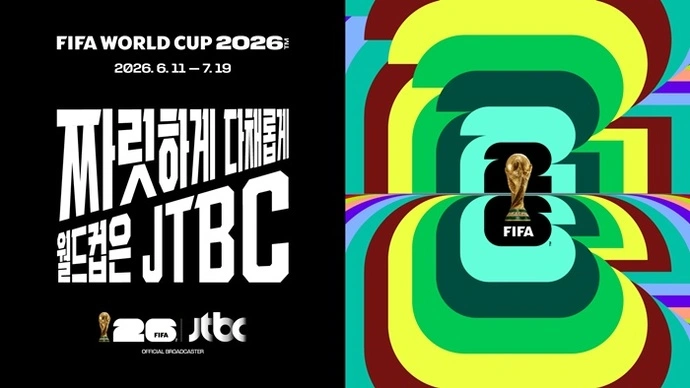
JTBC revealed that negotiations with the three terrestrial broadcasters, mediated by the Korea Communications Standards Commission, have stalled since the final proposal was submitted. They emphasized that all resale negotiations must be concluded within this month, considering technical issues such as on-site broadcasting booths, and urged for the resumption of talks. If negotiations ultimately fail, the 2026 North, Central American, and Caribbean World Cup could end up being broadcast only by JTBC.
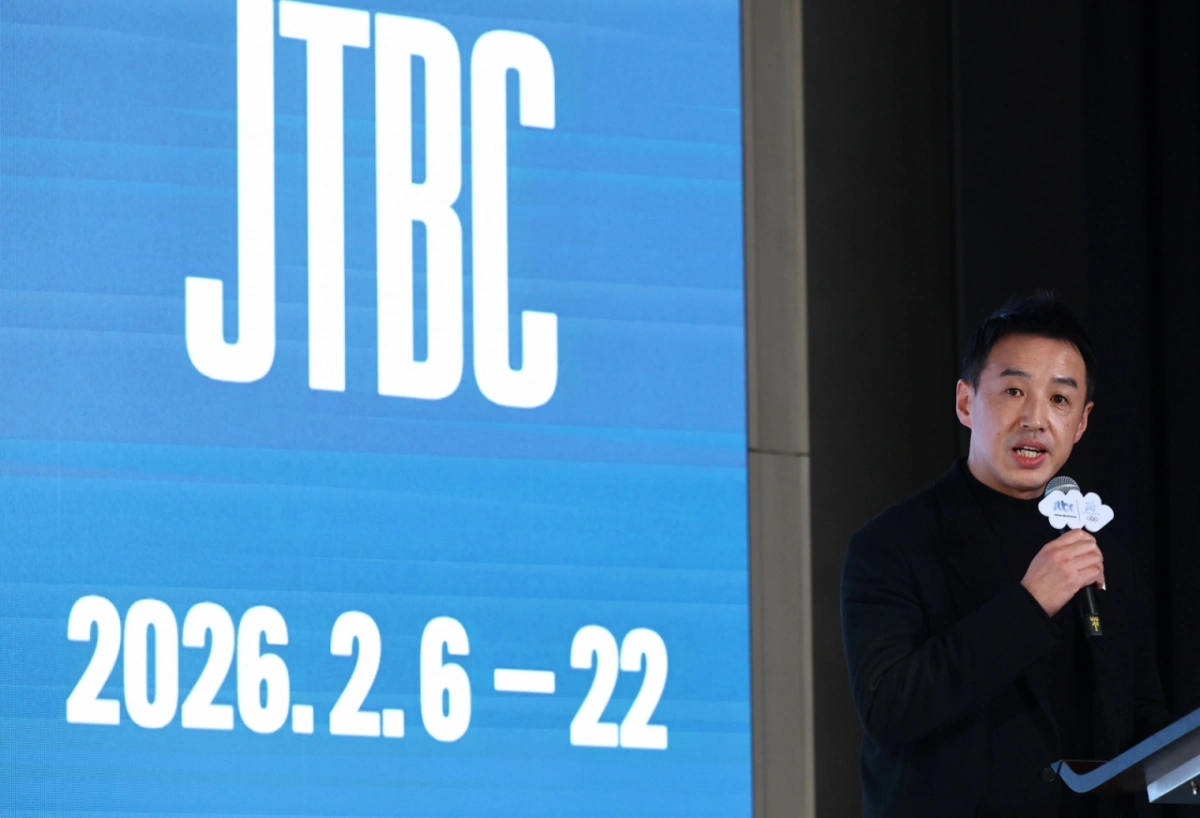
JTBC had previously proposed reselling broadcasting rights to the three terrestrial broadcasters, but negotiations faced difficulties due to the issue of high shared costs. As a result, the 2026 Milan Winter Olympics were broadcast only by JTBC and Naver, without the terrestrial broadcasters, leading to controversy over the infringement of universal broadcasting rights. The three terrestrial broadcasters are demanding a reasonable cost-sharing structure for Olympic and World Cup broadcasting rights and a review of government support measures.