True Story Content Goes Viral
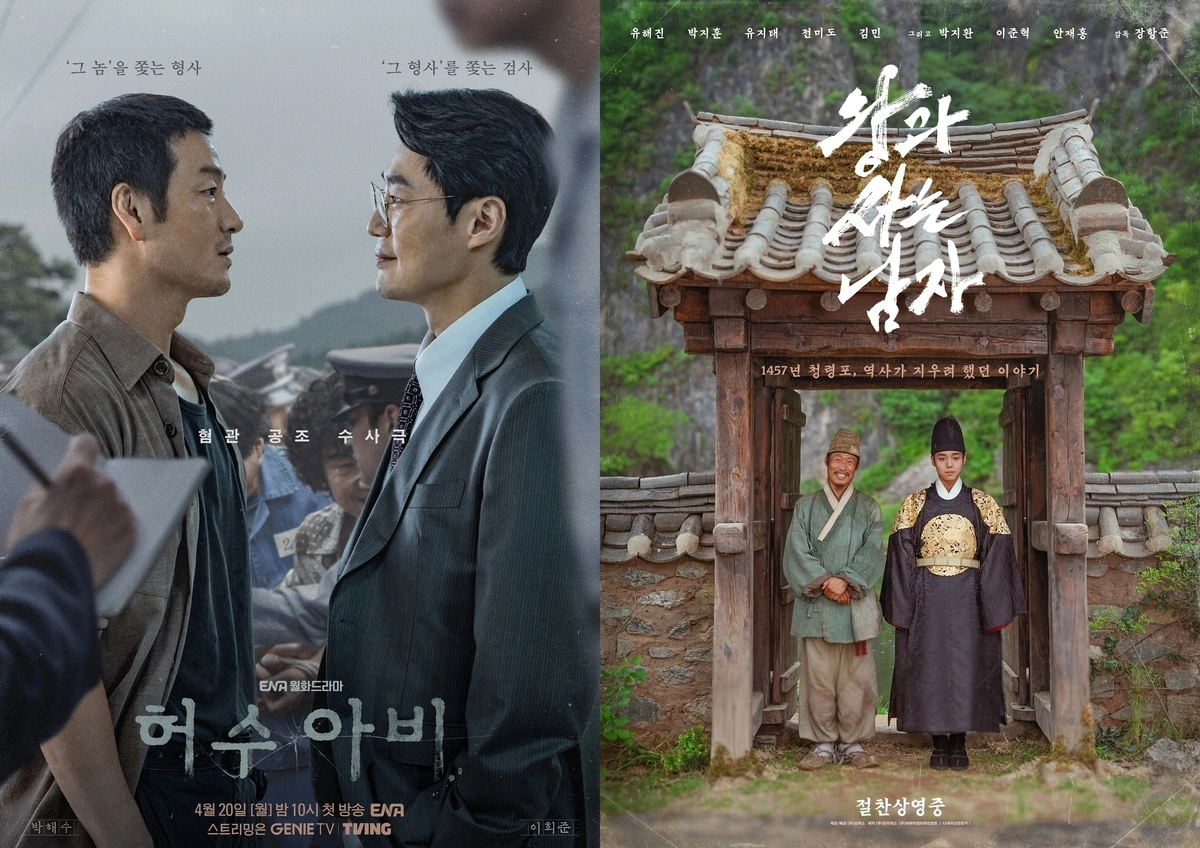
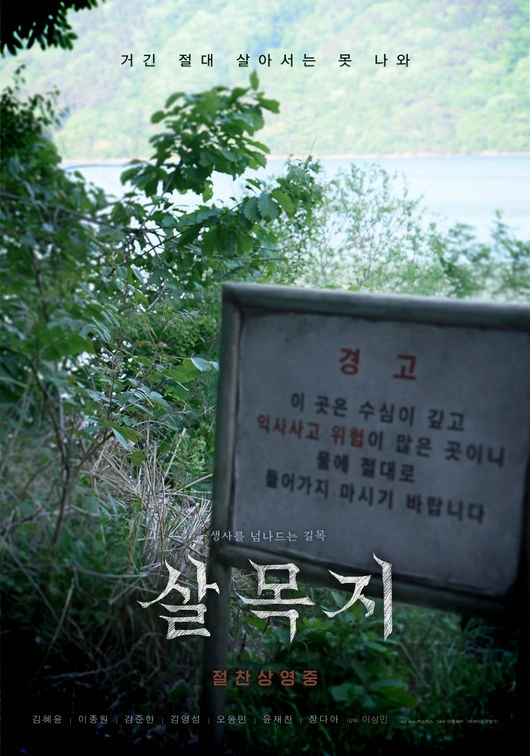
The drama 'Scarecrow' was produced with the Hwaseong serial murders committed by Lee Chun-jae in the Hwaseong area from 1986 to 1991 as its motif. This case garnered significant public attention when the true culprit was identified in 2019, revealing the truth after 33 years. The drama begins from the perspective after the true culprit was caught and progresses by moving back and forth between past and present.
In just four episodes, 'Scarecrow' recorded a viewership rating of 5.2% nationwide according to Nielsen Korea, ranking fifth in ENA's Monday-Tuesday drama history. The passionate performances of lead actors Park Hae-soo and Lee Hee-joon, along with the tension derived from the true story motif, contributed to word-of-mouth buzz. It has been particularly praised for adding depth to the true story by shedding light on the realities of those left behind after the culprit's apprehension.
광고 영역
Recently, true story-based works have emerged as a distinct box office keyword in the domestic content market. Works based on real events and people, rather than fictional narratives, are gaining attention for providing deeper immersion and empathy. With the spread of OTT platforms, true story elements are being utilized across various genres, establishing realism as a new competitive edge.
※ 이 포스팅은 쿠팡 파트너스 활동의 일환으로 수수료를 제공받습니다.
The movie '12.12: The Day', which recorded the second-highest box office performance in Korean cinema history this year, drew 13 million viewers by realistically depicting the December 12th military coup in 1979. Director Jang Hang-jun, inspired by this film, overcame the pressure of reinterpreting a well-known story and gained the courage to produce the movie 'The King and the Clown'. 'The King and the Clown' is an adaptation of a story rooted in historical fact, based on the final days of King Danjong, the sixth king of Joseon.
While 'Lady Doua', which gained popularity on Netflix, is officially a fictional story, it was motivated by the Vincent & Co. fraud case that shook Korean society in the mid-2000s. This case involved a distributor who deceived the upper class by falsely advertising watches made with Chinese materials as luxury goods. The mastermind behind the scheme was sentenced to prison.